

If you’re staying in Osaka and wondering about a Nara day trip from Osaka using Kintetsu Line, you’re in for a treat—it’s probably one of the most straightforward day trips you can do.
We spent a full day exploring Nara’s temples, feeding adorable (and slightly pushy) deer, and wandering through historic streets. The whole trip felt relaxed, thanks to the super convenient train connections.
In this post, I’ll walk you through everything you need to know about planning your own Nara adventure, including the exact route we took and all the spots that made our day unforgettable. By the end, you’ll feel confident about tackling this amazing day trip yourself!
Some of the links on this site are affiliate links and I may earn a little something if you decide to click on them at no additional cost to you. Thanks!
See related post: Epic Coastal Odyssey: Amanohashidate & Ine in a Day
Quick Facts:
- Travel time: 40 minutes from Osaka Nipponbashi
- Total cost: 3,000-4,500 yen per person (with Kintetsu 1-Day Pass)
- Best time to start: Early morning (9 AM)
- Must-see attractions: Todaiji Great Buddha, Kasuga Shrine lanterns, deer feeding experience
- Transportation: Kintetsu Nara Line (most convenient)
Getting to Nara: The Easiest Osaka to Nara Train Route
The Osaka to Nara train route using the Kintetsu line is incredibly straightforward. We started our journey at Osaka Nipponbashi Station, which is centrally located and easy to reach from most Osaka hotels.
The Kintetsu Nara Line runs directly from here to Kintetsu Nara Station in just 40 minutes—no transfers needed, no complicated route planning.
Trains run frequently throughout the day, departing every 10-15 minutes during peak hours, so you won’t be stuck waiting around.
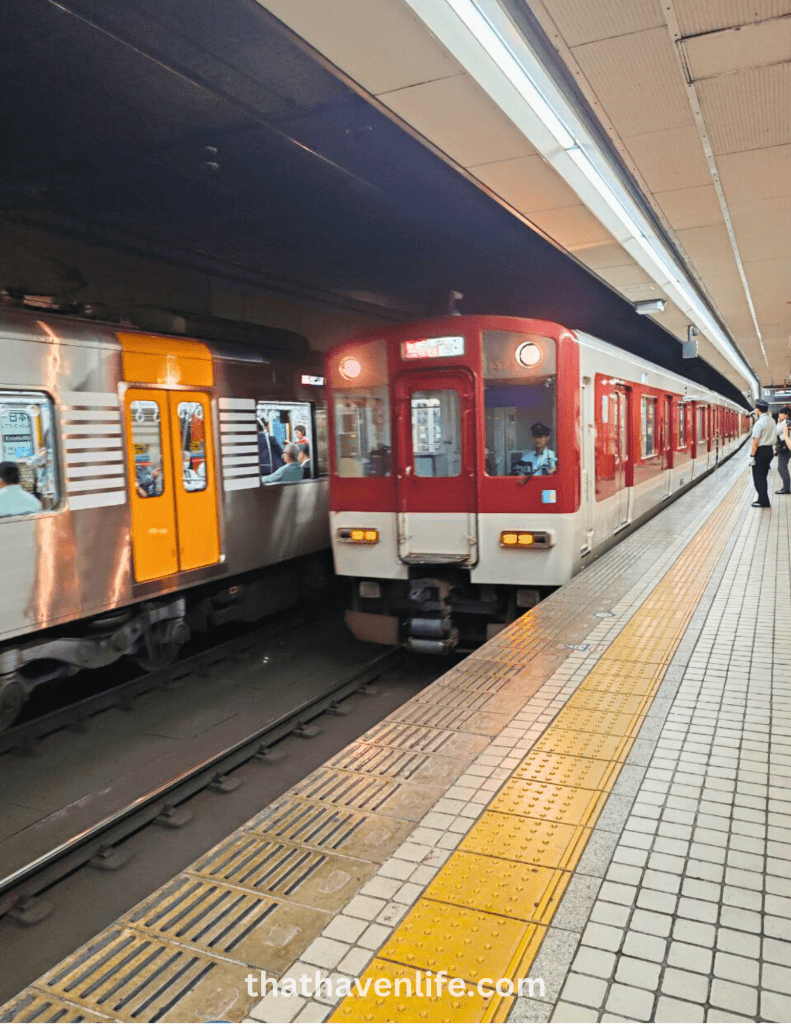
A one-way ticket costs 560 yen, but we highly recommend getting the Kintetsu 1-Day Pass for 1,500 yen since it covers unlimited rides and gives you flexibility to explore beyond just the main Nara route—more on that later!
The Kintetsu line is far more convenient than JR for Nara day trips. While JR Nara Station requires a 20-minute walk to reach Nara Park, Kintetsu Nara Station is just 5 minutes away from the main attractions.
After a full day of temple hopping, those extra 15 minutes really matter to your tired feet!
Our Complete Nara Day Trip Itinerary
This Nara day trip itinerary worked perfectly for us, allowing us to see all the major sights without feeling rushed, plus enjoy a proper lunch break.
Smart Transportation: Using Nara’s City Bus
After arriving at Kintetsu Nara Station, we faced a choice—walk to the attractions or take the bus. Since we wanted to start at Kasuga Shrine (the furthest point), taking the Nara City Main Bus made perfect sense.
Nara’s bus system is very tourist-friendly and easy to navigate. We purchased a one-day bus pass for 500 yen right at the station, providing unlimited rides on city buses. Buses run regularly with most signs in English, so you won’t get lost.
We took the bus to Stop N8 (Kasugataisha), the closest stop to Kasuga Shrine. The 10-minute ride positioned us to work back toward the station, creating an efficient route without backtracking.
Stop 1: Kasuga Taisha Shrine – Thousands of Magical Lanterns
Kasuga Taisha was the perfect starting point for our Nara adventure. This UNESCO World Heritage site is renowned for its thousands of stone and bronze lanterns—and the photos truly don’t capture their beauty.

Dating back to 768 AD, the shrine feels like stepping into ancient Japan. What makes Kasuga Taisha special are the over 3,000 lanterns lining the pathways.
Dating back to 768 AD, the shrine feels like stepping into ancient Japan. What makes Kasuga Taisha special are the over 3,000 lanterns lining the pathways. During the Lantern Festival (February and August), all lanterns are lit simultaneously, creating an otherworldly atmosphere.

A fun cultural experience: During our visit, we couldn’t resist purchasing love fortune papers (omikuji) from the shrine. If you don’t read Japanese, use Google Translate on your phone to translate the fortune!
We also discovered an incredibly touching area where people from around the world had written their love wishes on wooden plates (ema). Reading through these heartfelt messages in different languages—English, Japanese, Korean, Chinese, and many others—was surprisingly moving.
It’s amazing to see how universal the desire for love and happiness truly is, and how this ancient shrine brings people together from every corner of the globe with the same hopes and dreams.


Tips: The deer here are calmer than those in the main park, making it ideal for photos without being overwhelmed by hungry deer seeking crackers.
Stop 2: Nara Park – Sacred Deer Feeding Experience
The 15-minute walk from Kasuga Taisha to Todaiji Temple through Nara Park is a highlight of any Nara day trip from Osaka Kintetsu. You’ll be surrounded by over probably a thousand free-roaming deer throughout this scenic stroll.


These deer are considered sacred messengers of the gods and have lived in Nara for over 1,000 years.While generally friendly, remember they’re wild animals, so maintain respectful distance.
They recognize tourists with deer crackers (shika senbei), available from vendors for 200 yen per pack. Be prepared for persistent (sometimes pushy!) deer once they spot your snacks.
Safety note: Enjoy feeding and photographing the deer, but avoid attempting to pet them as they can be unpredictable, especially when food is involved.
Stop 3: Todaiji Namdaimon – The Impressive Great South Gate
Before reaching the main temple, we stopped at Todaiji Namdaimon (Great South Gate), and I’m so glad we did!

This massive wooden gate is absolutely stunning and houses two fierce-looking Nio guardian statues that are about 8 meters tall.
The gate itself dates back to 1199 and is considered a National Treasure. Walking through it feels like entering a sacred space—the sheer size and craftsmanship are incredible.
The Nio statues, carved by famous sculptors Unkei and Kaikei, are some of the finest examples of Kamakura period sculpture in Japan.
It’s free to admire the gate and statues, and most people spend about 10-15 minutes here taking photos and marveling at the details.
The gate also gives you a perfect preview of what’s coming next—the massive Todaiji Temple complex.
Stop 4: Todaiji Temple – Meeting the Giant Buddha
Finally reaching Todaiji Temple, I was ready to see the famous Daibutsu (Great Buddha), one of the largest bronze Buddha statues in Japan.

The statue is about 15 meters tall and weighs around 500 tons—it’s absolutely massive. The hall that houses it, called Daibutsuden, is one of the largest wooden buildings in the world.
The entrance fee is 500 yen for adults, and you’ll probably spend about an hour here.
Lunch Break: A Surprise Detour to Ikoma
After exploring temples, we decided to make the most of our Kintetsu 1-Day Pass with a little detour for lunch.
Instead of eating in Nara Park, we hopped back on the Kintetsu line and took a short 15-minute ride to Ikoma Station, where we discovered a fantastic pasta restaurant.


This unexpected lunch stop turned out to be one of our favorite parts of the day! The pasta was delicious, the atmosphere was relaxed, and it felt great to experience a more local, less touristy side of the area.
Plus, since we had the 1-Day Pass, this little side trip didn’t cost us anything extra. The flexibility to explore beyond just Nara’s main attractions is exactly why the Kintetsu 1-Day Pass is such great value.
After lunch, we easily returned to Nara to continue our temple hopping—the whole detour added maybe an hour to our day but gave us a completely different perspective on the region.
Stop 5: Kofukuji Temple Complex – Five-Story Pagoda and More
After lunch, we headed to Kofukuji Temple, which is just a short walk from the main park area. This temple complex is home to Nara’s iconic five-story pagoda, which you’ve probably seen in photos—it’s one of the most photographed spots in the city.

Kofukuji was founded in 669 AD and served as the family temple of the powerful Fujiwara clan. The five-story pagoda is 50 meters tall and has been destroyed and rebuilt several times throughout history.
The current structure dates back to 1426, and when you see it in person, you’ll understand why it’s become such an iconic symbol of Nara.
While you’re exploring the complex, don’t miss Kofukuji Kari Kodo (the temporary lecture hall).
This building might not look as flashy as the pagoda, but it houses some incredible Buddhist statues and artifacts. The hall was rebuilt in recent years as a temporary space while other parts of the temple undergo restoration.
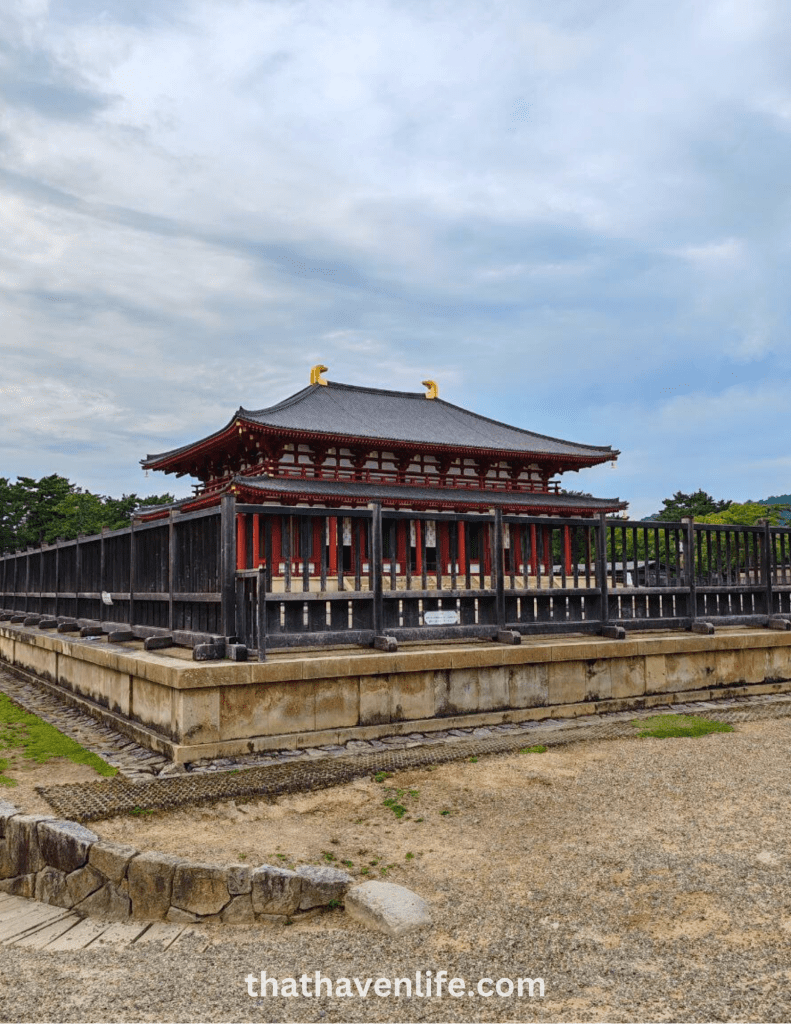
You can explore most of the temple grounds for free, but there’s a small fee (300 yen) if you want to enter the National Treasure Museum, which houses some incredible Buddhist artifacts.
We spent about 30 minutes here total, mostly just enjoying the peaceful atmosphere and taking photos of the pagoda from different angles.
You’ll probably find yourself doing the same—there’s something mesmerizing about that pagoda!
Stop 6: Nara Townhouse – A Glimpse of Local Life
Next, we visited a traditional Nara townhouse (machiya), which gave me a fascinating look at how people lived in old Japan. These narrow wooden houses were typical of merchant families and have been beautifully preserved.
The townhouse we visited had tatami mat floors, sliding paper doors, and a small inner courtyard.

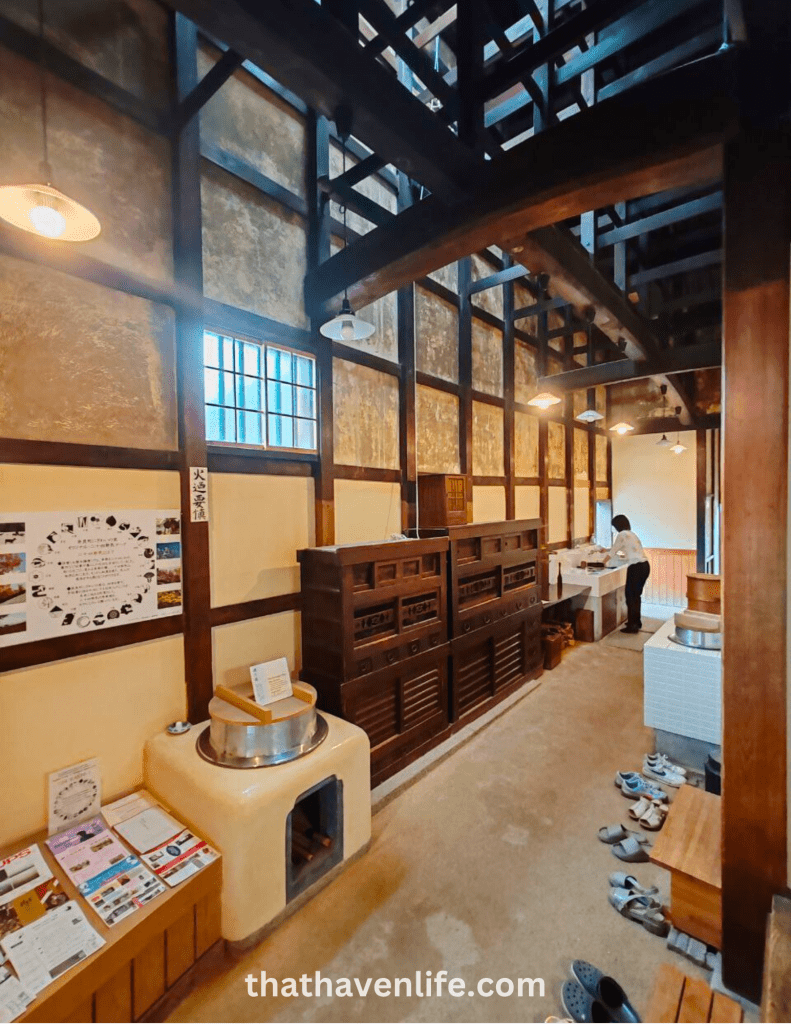

It’s amazing how functional and elegant these spaces are, despite being quite compact. The visit was free and took about 20 minutes, but it was a nice change of pace from all the temples.
Stop 7: Higashimuki Shopping Street – Souvenirs and Snacks
My final stop was Higashimuki Shopping Street, a charming pedestrian street that connects the temple area back to Kintetsu Nara Station.


This covered shopping arcade is perfect for picking up souvenirs, trying local snacks, or just people-watching.
There are also several cafes and sweet shops where you can grab a coffee or try some local treats.
The street has a lovely old-fashioned atmosphere, with traditional storefronts mixed with modern shops.
It’s about a 10-minute walk from end to end, and it brings you right back to the station, making it the perfect way to wrap up your day.
Making the Most of Your Nara Day Trip
These practical tips ensured our Nara day trip from Osaka Kintetsu went smoothly:
Timing: Starting early is essential—we began around 9 AM and finished by 5 PM, providing ample time without rushing. Nara becomes crowded with tour groups in the afternoon, so early starts mean fewer crowds and better photo opportunities.
What to pack: Comfortable walking shoes are crucial—you’ll traverse various surfaces from temple grounds to city streets. Bring hand sanitizer for post-deer encounters. Summer visitors should pack a small towel and portable fan for heat and humidity.
Money matters: Most temples charge entrance fees (500-900 yen), and you’ll want cash for deer crackers, food, and souvenirs since many places don’t accept cards. With the Kintetsu 1-Day Pass (1,500 yen), budget around 3,000-4,500 yen total for the pass, temple fees, deer crackers, and meals—excellent value for a full day that can include side trips like we did to Ikoma for lunch.
Best Time to Visit Nara Throughout the Year
Nara offers unique experiences across all seasons, making it a fantastic year-round destination for day trips from Osaka.
Spring (March-May): Cherry blossom season transforms Nara Park into a pink wonderland. Peak bloom typically occurs in early April, creating stunning backdrops for temple visits and deer photos.
Summer (June-August): While hot and humid, summer offers lush greenery and the magical Kasuga Taisha Lantern Festival in August. Bring water and start early to beat the heat.
Autumn (September-November): Fall colors create spectacular scenery, especially around Kasuga Shrine’s forested paths. The weather is comfortable and perfect for walking.
Winter (December-February): Fewer crowds and crisp air make for peaceful temple visits. The February Lantern Festival at Kasuga Taisha is absolutely magical with all 3,000 lanterns illuminated.
Final Thoughts
My Nara day trip from Osaka Kintetsu turned out to be one of the most memorable days of my Japan trip. There’s something magical about wandering through ancient temples, having deer bow to you for crackers, and exploring streets that have looked the same for centuries.
The whole experience felt so different from the bustling energy of Osaka or Kyoto. Nara has this peaceful, timeless quality that makes you want to slow down and just soak it all in. Plus, knowing that these deer have been wandering these same paths for over 1,000 years adds such a special dimension to the visit.
The Kintetsu route made everything incredibly easy—no complicated transfers or long walks with heavy bags. Within 40 minutes, I went from the urban buzz of Osaka to feeding sacred deer in a UNESCO World Heritage site. That’s the beauty of Japan’s train system, and you don’t need to speak Japanese to navigate it since most signs around the tourist areas have English translations!
If you’re planning your own visit, I’d definitely recommend following a similar route. Starting at Kasuga Shrine and working your way back toward the station creates a natural flow, and you end up back where you started without any backtracking.
Whether you’re a temple enthusiast, an animal lover, or just someone who enjoys peaceful day trips, Nara delivers on all fronts. It’s close enough to Osaka for an easy day trip, but feels like a completely different world once you arrive.
Want a Guided Experience? If you prefer joining a tour, check out these Nara day trip tours from Osaka that include transportation and a guide.
Frequently Asked Questions
How long does it take to get from Osaka to Nara by train? The Kintetsu line from Osaka Nipponbashi to Nara Kintetsu Station takes about 40 minutes with no transfers required. Trains run every 10-15 minutes during peak hours, making it super convenient for day trips.
How much does a day trip to Nara cost from Osaka? You can expect to spend around 3,500-5,000 yen total including train tickets (560 yen each way), bus pass (500 yen), temple entrance fees (500-900 yen each depending on which buildings you enter), and deer crackers (200 yen). Lunch and souvenirs will be extra depending on your choices.
Can you really pet the deer in Nara Park? While the deer are free-roaming and generally friendly, they’re still wild animals so you should be cautious. You can feed them special deer crackers, but avoid trying to pet them as they can be unpredictable, especially when they think you have food!
What’s the best time of day to visit Nara to avoid crowds? Starting early (around 9 AM) is ideal since tour groups typically arrive in the afternoon. You’ll have more space to enjoy the temples peacefully and get better photos with the deer before the crowds arrive.
Is one day enough to see all the main attractions in Nara? Absolutely! Following the route from Kasuga Shrine to Todaiji Temple, Kofukuji, and back through the shopping street gives you a perfect taste of Nara’s highlights. You’ll feel satisfied without being rushed if you start early.
Do I need to speak Japanese to visit Nara? Not at all! Most signs around the main tourist areas have English translations, and the bus system is tourist-friendly. Temple entrance booths usually have staff who can handle basic English for ticket purchases.
What should I bring for a day trip to Nara? Comfortable walking shoes are essential, plus cash for entrance fees and snacks (many places don’t accept cards). Bring hand sanitizer for after deer encounters and maybe a small towel if you’re visiting in summer. One day is definitely enough to see all the main attractions if you follow a similar route to mine—you’ll feel satisfied and enriched without being overwhelmed.
| Save on your Japan trip with these resources! These are the companies that I recommend to use when travelling: |
| Flights: Expedia for cheapest and promotional offers on flight options. Accommodations: Booking.com or Hostelworld for the large selections of hotels and hostels. Esim: Airalo for affordable global data plans with instant activation in over 200 countries. Cars : RentalCars for comparable car rental prices from a wide range of rental car companies. Private tours and activities: I always choose Viator, Klook or GetYourGuide for their reputable choices of tours and activities. |

