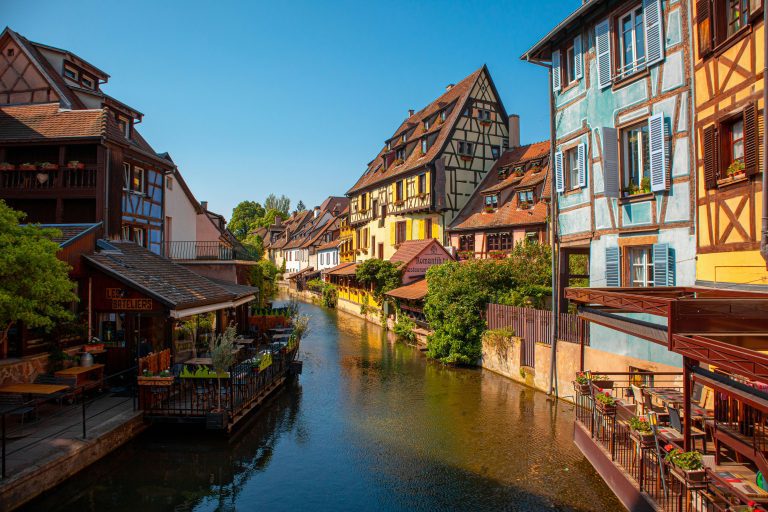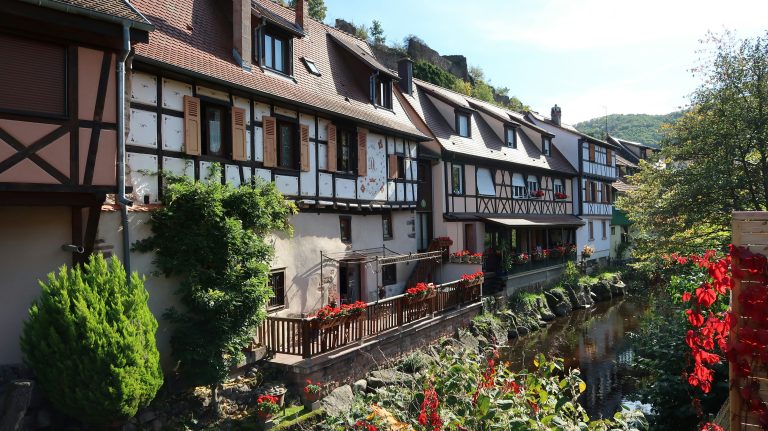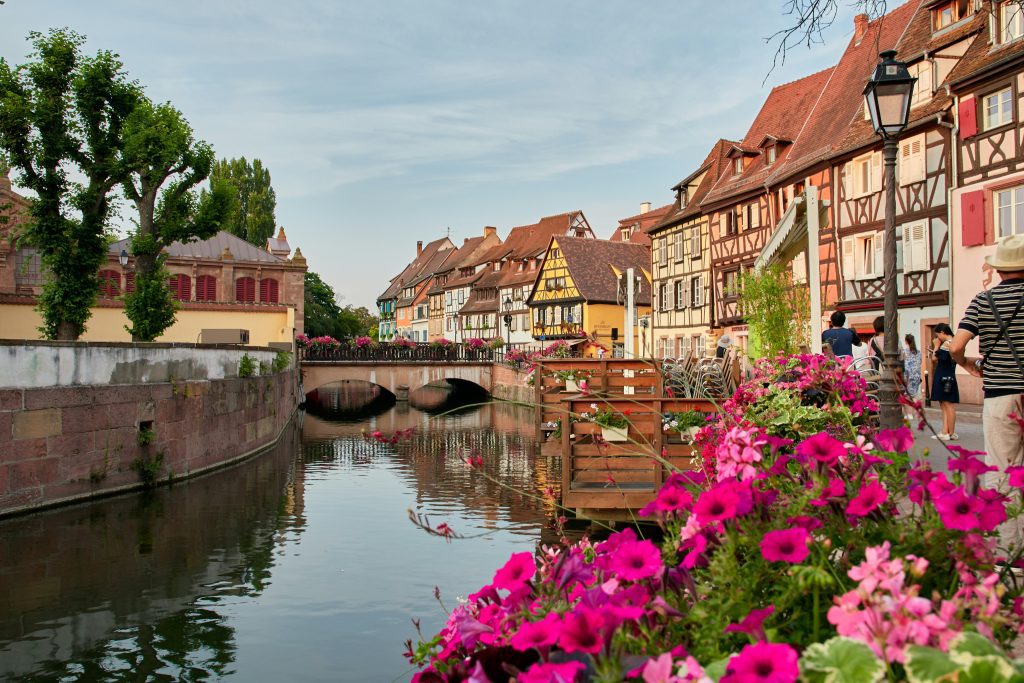
Have you ever dreamed of walking through a real-life fairy tale? The Alsace region in eastern France makes this dream come true with its magical half-timbered houses, cobblestone streets, and flower-filled windows that look straight out of a Disney movie. From medieval villages to world-famous wine routes, you’ll discover the best Alsace towns that offer enchanting experiences for every traveler.
This enchanting region sits along the German border, creating a unique blend of French charm and German heritage. You’ll discover the best Alsace towns filled with medieval villages where time seems to have stopped, world-famous wine routes, and Christmas markets that sparkle like winter wonderlands.
Whether you want a romantic weekend getaway, a family adventure, or a wine lover’s paradise, these 10 beautiful Alsace towns offer something special for every traveler.
Some of the links on this site are affiliate links and I may earn a little something if you decide to click on them at no additional cost to you. Thanks!
Related post: Colmar Christmas Market: Complete 2025 Guide
Why Choose Alsace Towns for Your Next Adventure?
Alsace feels like nowhere else in France. The region’s Franco-German heritage creates a unique culture you won’t find anywhere else. Picture this: houses that look like gingerbread creations, wine cellars dating back centuries, and Christmas markets that inspired traditions around the world.
Most Alsace towns sit along the famous Wine Route, making it easy to hop from village to village. You can explore medieval castles in the morning, taste world-class wines in the afternoon, and sleep in a cozy inn that’s been welcoming guests for hundreds of years.
The best part? These towns are surprisingly close together. You can see several in one day or spend weeks discovering hidden gems that most tourists never find.
The 10 Best Alsace Towns You Must Visit
1. Colmar – The Venice of Alsace
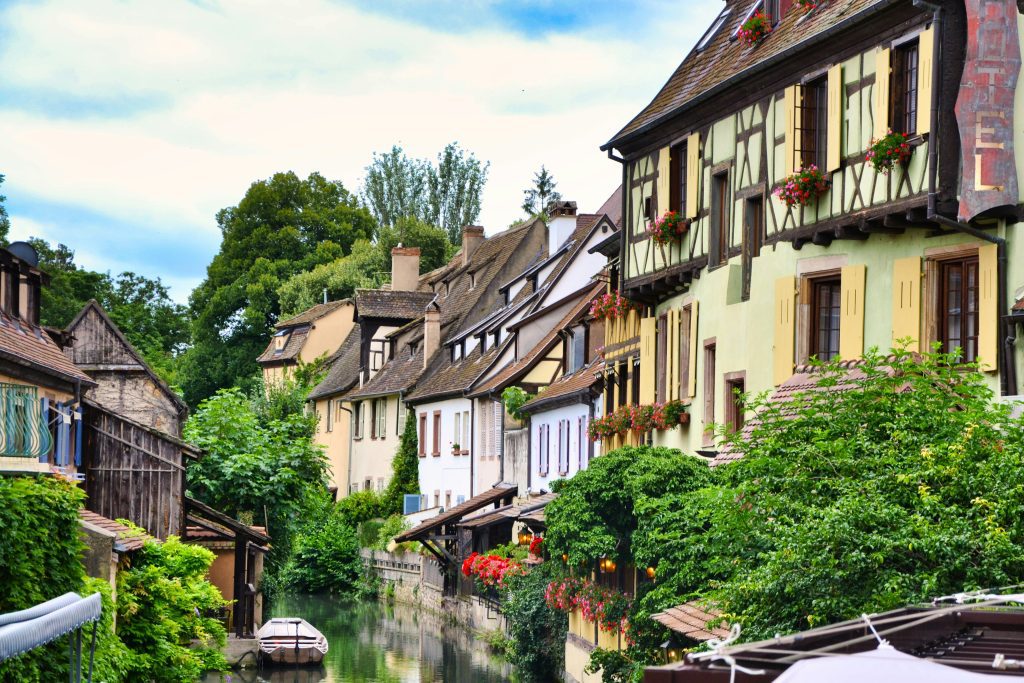
Why It’s Special: Colmar serves as the perfect introduction to Alsace magic. This larger town features the famous Little Venice quarter, where colorful houses line peaceful canals.
Colmar feels like an outdoor museum where real people still live and work. The Old Town showcases every type of Alsatian architecture, from medieval timber frames to Renaissance stone mansions. The Unterlinden Museum houses world-famous artwork in a former convent.
The Little Venice area provides the most Instagram-worthy shots in Alsace. Take a boat ride through the canals or simply wander the cobblestone streets where flowers spill from every window box.
Where to Stay: Hotel Saint-Martin offers luxury in the heart of Old Town, while Hostellerie le Maréchal provides canal views at mid-range prices. Budget travelers love Ibis Budget Colmar Centre Gare for comfort without breaking the bank.
Perfect For: First-time Alsace visitors and photography enthusiasts Getting There: Book direct trains from Paris (2.5 hours) or Strasbourg (30 minutes)
2. Riquewihr – The Pearl of Alsace Vineyards
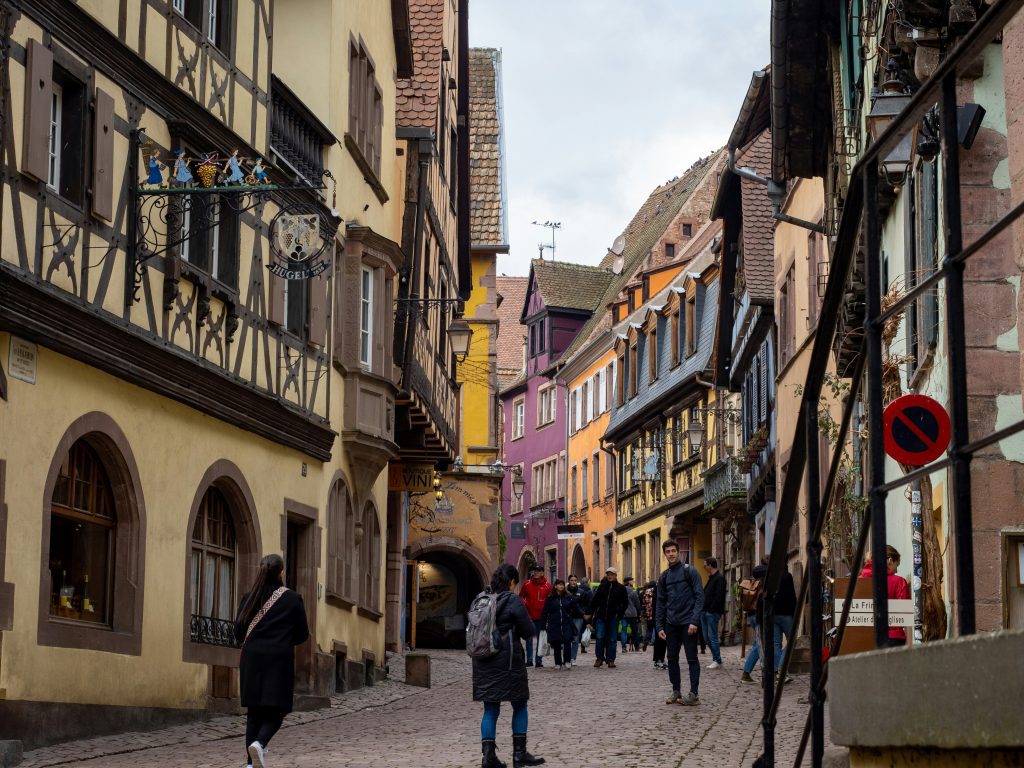
Why It’s Special: This perfectly preserved medieval village has barely changed since the 1500s. Walking through Riquewihr feels like time travel to the Middle Ages.
The town sits in the heart of Alsace wine country, surrounded by vineyards that produce some of France’s best white wines. Every building tells a story, from the 13th-century watchtowers to the Renaissance wine merchant houses.
The village stays car-free, making it perfect for peaceful strolling. Don’t miss the Thieves’ Tower, which houses a small museum about medieval justice that kids find surprisingly interesting.
Where to Stay: Best Western Plus Hotel & SPA Le Schoenenbourg provides historic charm right in the village center.
Perfect For: Wine lovers and medieval history buffs Best Time: Harvest season (September-October) for grape picking activities
3. Eguisheim – Circular Village Charm
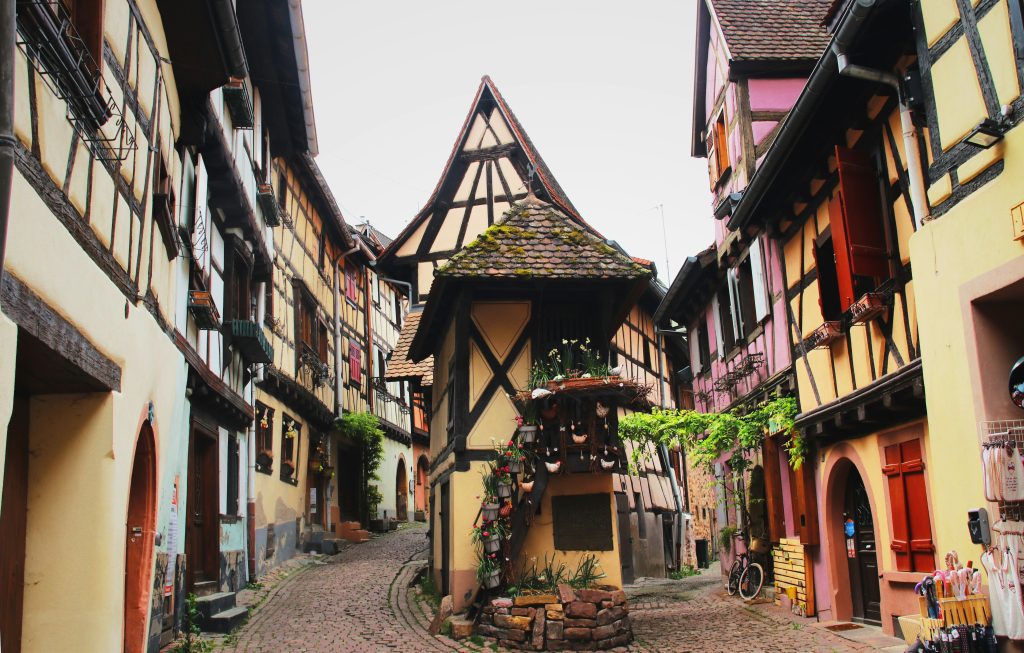
Why It’s Special: Eguisheim’s unique circular layout makes it one of Europe’s most beautiful villages. The town grew in perfect circles around a medieval castle, creating a layout you won’t find anywhere else.
Every street curves gently, revealing new surprises around each corner. The village is famous for its flower displays – locals compete to create the most beautiful window boxes and doorway gardens.
This was the birthplace of Pope Leo IX, and you can still visit the castle where he was born. The town produces excellent wines, and many producers welcome visitors to their family cellars.
Where to Stay: L’Hostellerie du Château provides luxury in a historic setting. Auberge des Trois Châteaux offers family-friendly rooms with right in the center of the town.
Perfect For: Romantic getaways and flower enthusiasts Photography Tip: Visit early morning for the best light on the colorful houses
4. Kaysersberg – Imperial City Heritage
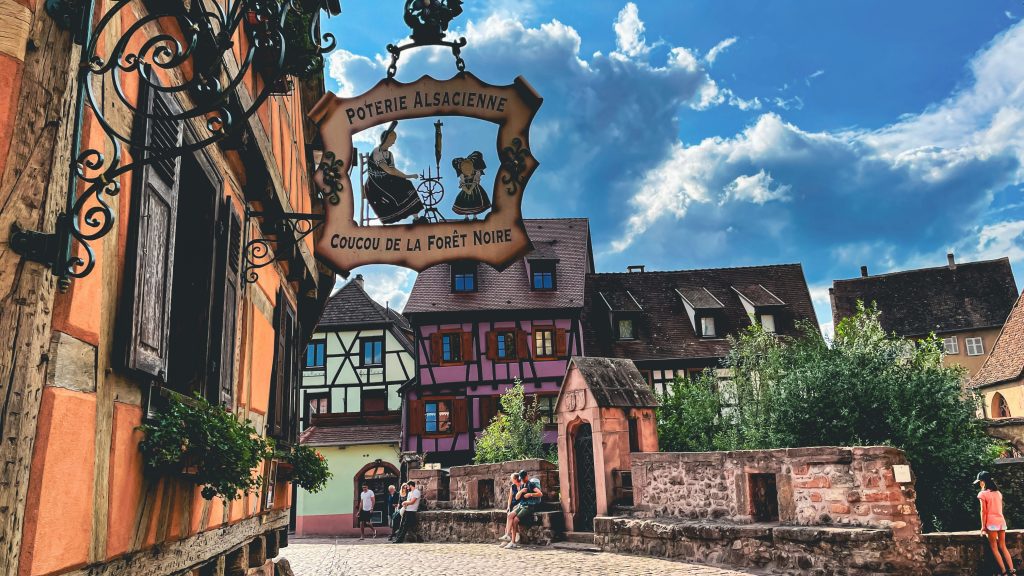
Why It’s Special: This former imperial city boasts one of Alsace’s most impressive castles and the birthplace of Nobel Peace Prize winner Albert Schweitzer.
The medieval bridge crossing the Weiss River creates one of Alsace’s most photographed scenes. The castle ruins above town offer panoramic views over the valley and surrounding vineyards.
Kaysersberg’s Christmas market ranks among Europe’s most authentic. Unlike commercialized markets in bigger cities, this one feels like a village celebration where locals actually shop.
What to See: Climb to the castle ruins for sunset views. Visit the Albert Schweitzer Museum to learn about this remarkable humanitarian. The Holy Cross Church features beautiful 15th-century artwork.
Where to Stay: Hotel Restaurant Les Remparts provides modern comfort in historic buildings.
Perfect For: History lovers and Christmas market enthusiasts.
5. Obernai – Gateway to Wine Route
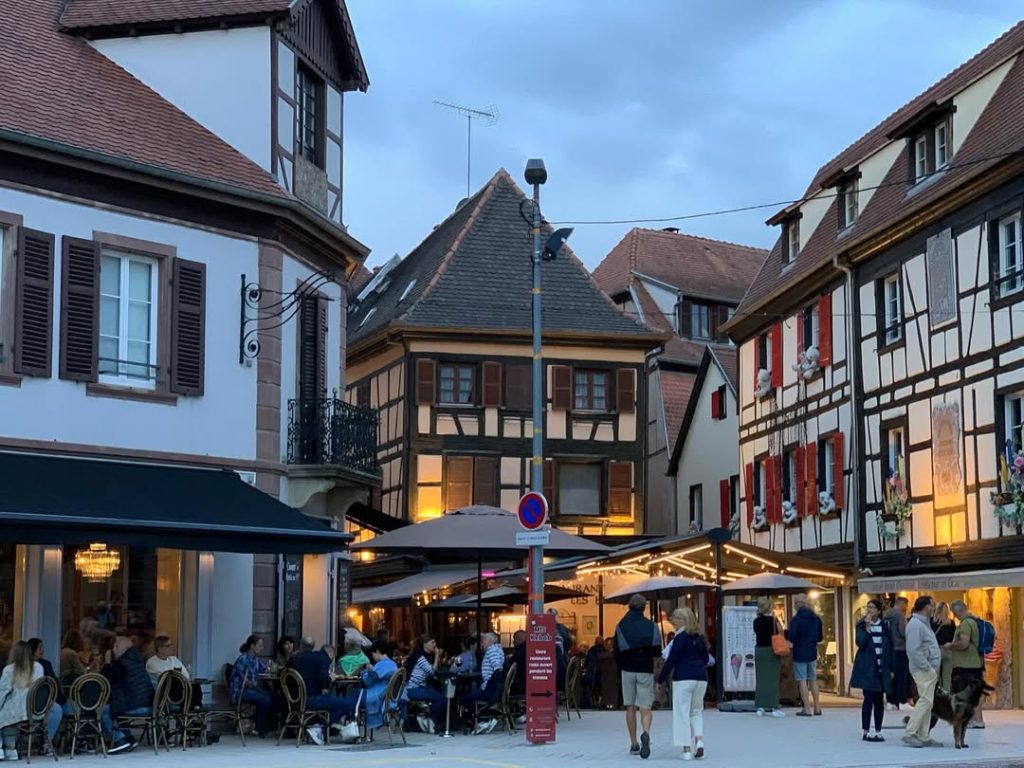
Why It’s Special: Obernai serves as the perfect base for exploring the Alsace Wine Route. This larger town offers all the charm of smaller villages plus practical amenities like shops, restaurants, and hotels.
The central market square showcases Renaissance architecture at its finest. The town hall, corn market, and six-bucket well create a perfect ensemble that hasn’t changed much since the 1600s.
Mount Sainte-Odile, Alsace’s most important pilgrimage site, sits just outside town. The mountain offers hiking trails, ancient monastery ruins, and views stretching to the Black Forest in Germany.
Family Activities: The town center is completely walkable and safe for children. The weekly market (Thursday) lets kids see local life up close.
Where to Stay: Hotel Restaurant A La Cour d’Alsace offers family rooms and local cuisine. Hotel La Diligence provides modern amenities in the historical center of Obernai.
Perfect For: Families and those wanting a base for day trips Day Trip: Mount Sainte-Odile monastery and hiking trails (20 minutes by car)
6. Ribeauvillé – Three Castles Town
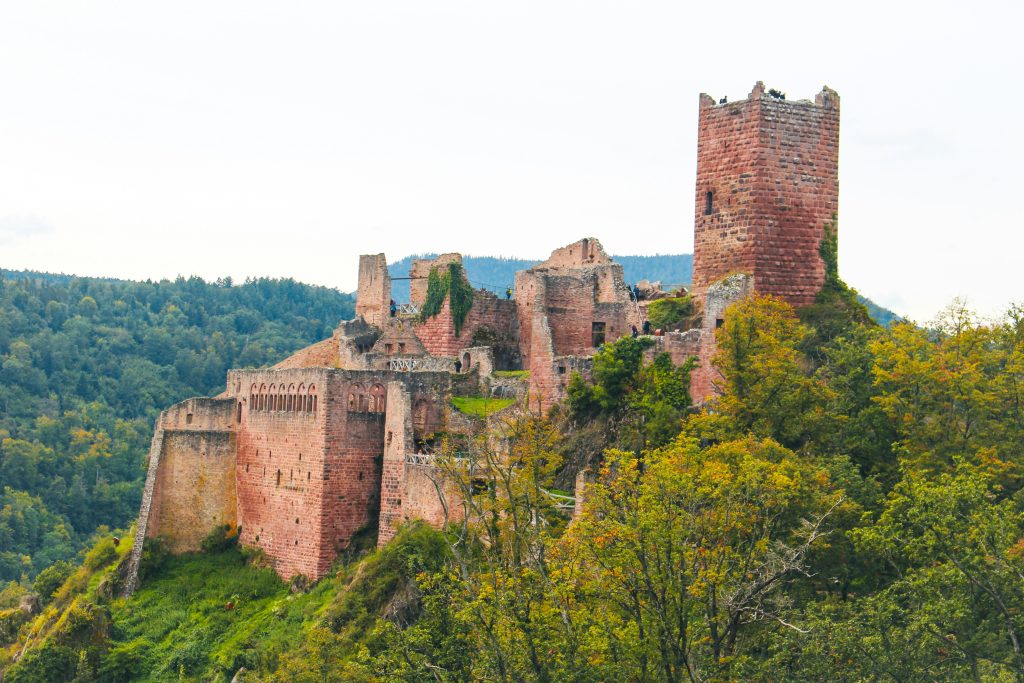
Why It’s Special: Three medieval castles crown the hills above this wine-making town, creating one of Alsace’s most dramatic settings.
The town hosts the famous Fiddlers’ Festival each September, when traditional musicians fill the streets with medieval music. This celebration has continued for over 500 years, making it one of Europe’s oldest music festivals.
The Grand’Rue showcases beautiful merchant houses from when Ribeauvillé was one of Alsace’s wealthiest towns. Many buildings feature elaborate oriel windows and decorative stonework.
Castle Hiking: The three castles make excellent hiking destinations. Saint-Ulrich castle offers the easiest climb and best views. Girsberg and Haut-Ribeaupierre require more effort but provide amazing photo opportunities.
Where to Stay: Logis Hotel de la Tour provides luxury in a converted medieval tower. Hotel SPA Au Cheval Blanc offers accommodations with garden views.
Perfect For: Hikers and music lovers Festival Tip: Book accommodation months ahead for the September Fiddlers’ Festival.
7. Hunspach – Northern Alsace Gem
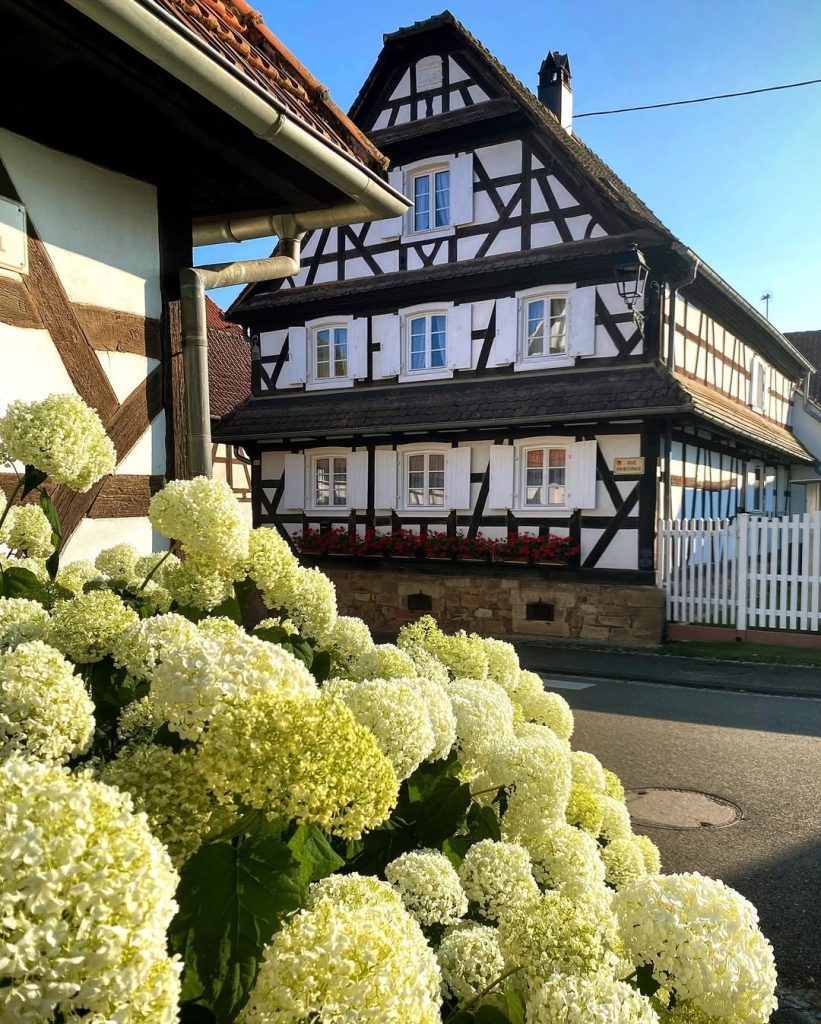
Why It’s Special: Hunspach showcases traditional Alsatian farmhouses in their purest form. This northern village feels more rural and less touristy than southern Alsace towns.
The village features some of Alsace’s most beautiful half-timbered houses, many still functioning as working farms. The peaceful atmosphere and authentic character make it feel like a secret discovery.
Local artisans still practice traditional crafts like pottery and woodworking. Several workshops welcome visitors to see techniques passed down through generations.
What Makes It Unique: Unlike wine villages, Hunspach focuses on farming and crafts. This gives you insight into traditional Alsatian life beyond wine tourism.
Where to Stay: Chambres d’Hôtes offer authentic experiences with local families. Many include breakfast featuring farm-fresh ingredients.
Perfect For: Those seeking authentic rural experiences Local Experience: Visit pottery workshops to see traditional ceramic techniques
8. Turckheim – Night Watchman’s Town

Why It’s Special: Turckheim keeps alive the medieval tradition of the night watchman. Every evening from May to October, a costumed watchman patrols the streets calling out the time and weather, just like in medieval times.
This tradition started in 1895 to attract tourists, but it captures the town’s authentic medieval atmosphere. Following the watchman creates a magical evening experience that kids especially love.
The town sits at the entrance to the Munster Valley, surrounded by vineyards and hiking trails. The wine cooperative produces excellent Gewürztraminer and Riesling wines.
Evening Experience: Meet at Place Turenne at 10 PM (May-October) for the night watchman’s rounds. It’s free and takes about 30 minutes.
Where to Stay: Hotel des Deux Clefs provides historic charm in the town center. L’Auberge du Brand offers accommodation in a typical Alsatian house located in the heart of Turckheim.
Perfect For: Families and those who enjoy unique traditions Wine Tip: The local cooperative offers excellent value wines perfect for picnics
9. Bergheim – Fortified Wine Village
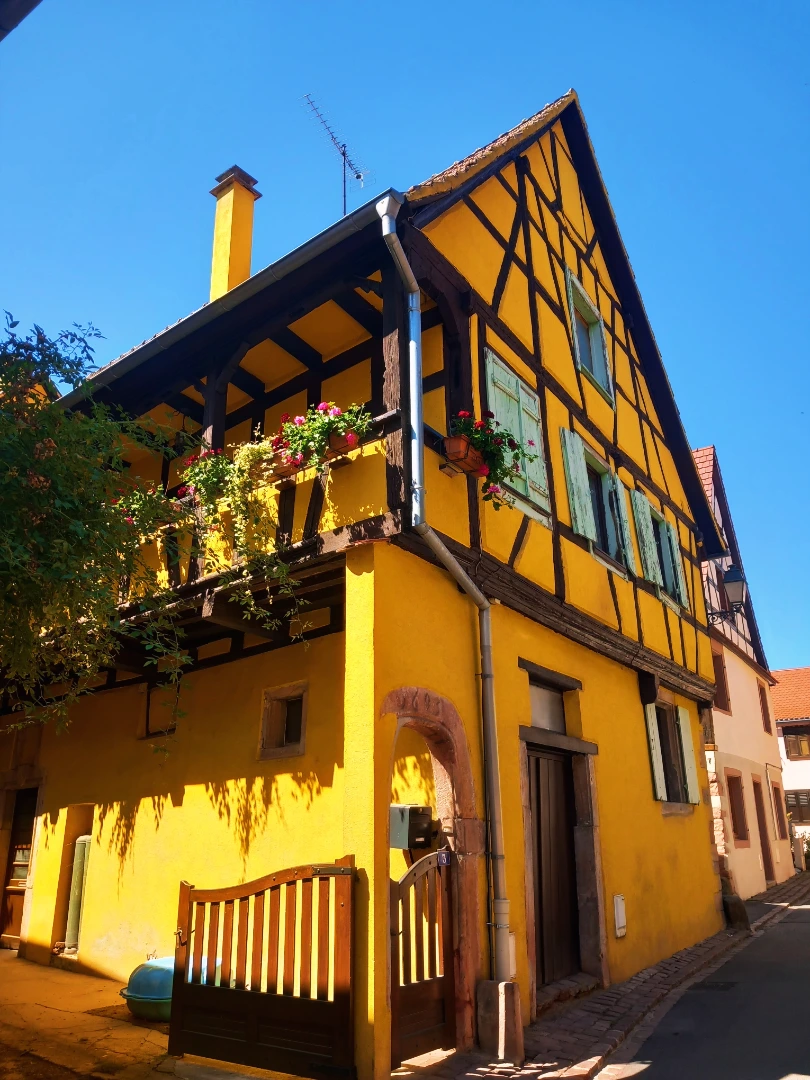
Why It’s Special: Bergheim is one of the few Alsace villages that still has complete medieval fortifications. Walking through the ancient gates feels like entering a fortress from the Middle Ages.
The village walls and towers remain almost intact, creating a unique enclosed feeling. Despite the fortifications, Bergheim maintains a friendly, welcoming atmosphere with excellent restaurants and wine cellars.
The Bergheim late-harvest wines rank among Alsace’s most prestigious. The village’s special microclimate produces grapes with concentrated flavors perfect for dessert wines.
Medieval Experience: Walk the complete circuit of town walls – it takes about 15 minutes and offers great views over surrounding vineyards.
Where to Stay: La Cour du Bailli Suites & Spa offers modern bed and breakfast accommodations.
Perfect For: Medieval history enthusiasts and dessert wine lovers Wine Tip: Try late-harvest Gewürztraminer – it pairs perfectly with foie gras.
10. Andlau – Abbey Town
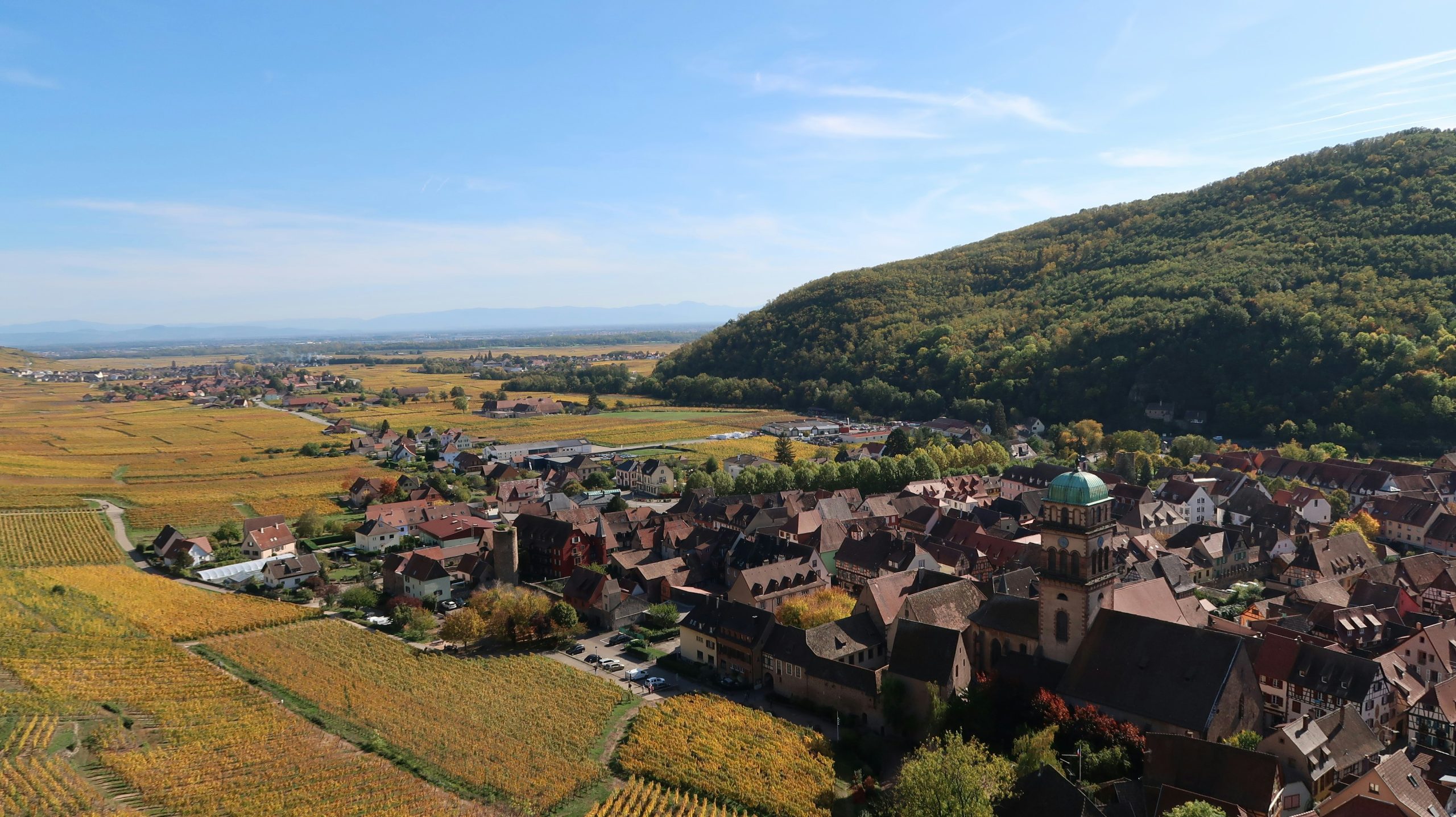
Why It’s Special: Andlau grew around a powerful abbey founded by a Carolingian empress. The abbey church remains one of Alsace’s most important Romanesque buildings.
The town sits in a peaceful valley surrounded by forests and vineyards. This location provides excellent hiking opportunities and produces distinctive wines with mineral characteristics from volcanic soil.
Local legends tell of a miraculous bear that helped found the abbey. You’ll see bear symbols throughout the town, and the abbey church features beautiful bear carvings.
Cultural Highlight: The abbey church showcases amazing Romanesque sculpture and architecture. Free tours explain the building’s 1,000-year history.
Where to Stay: Hotel Kastelberg offers valley views and traditional Alsatian hospitality. Several local families provide chambres d’hôtes for authentic experiences.
Perfect For: Architecture lovers and peaceful retreat seekers Hiking Tip: Forest trails lead to castle ruins and offer great valley views
Frequently Asked Questions About the Best Alsace Towns
1. How many days do I need to visit the best Alsace towns?
Plan at least 4-5 days to see the highlights without rushing. I suggest visiting Alsace for at least 4 full days. It is perfect for a long weekend or even an entire week of vacation. A full week allows you to discover hidden gems, enjoy relaxed wine tastings, and experience each town’s unique character. minimum of 2 to 3 full days – especially since one of those days is a Monday when many shops in Colmar & Strasbourg will be closed in the morning
2. Should I rent a car or use public transport to visit Alsace towns?
A rental car provides the most flexibility for exploring multiple villages. You should rent a car for your exploring days and the bus service is very much set up for school children and commuters, and will not get you around to the villages on a schedule that suits you. However, trains work well for major towns like Strasbourg and Colmar, with frequent service taking just 30 minutes between them.
3. What’s the best time to visit Alsace towns?
My two favorite months to visit Alsace are December and May/June. May through October offers warm weather and full flower displays, while December provides magical Christmas markets. Since the weather can be a bit unpleasant at those times, I suggest traveling during the shoulder seasons of April to May and September to October.
4. Which Alsace town should I use as my base?
Colmar offers the most central location with excellent restaurants and hotels. If you want to move a lot by public transport, better stay at Colmar which is the main transport hub Strasbourg provides urban amenities and good train connections to other parts of France. For authentic village experiences, consider staying in Eguisheim or Riquewihr.
5. Are the best Alsace towns suitable for families with children?
Yes! Most Alsace towns are very family-friendly. In a village in Alsace, you can get to open, natural or green areas very quickly Children love exploring castle ruins, watching storks, and discovering the fairytale architecture. Many towns feature car-free centers perfect for safe wandering.
6. Can I visit Alsace towns without speaking French?
Absolutely! Due to the region’s proximity to Germany and tourist popularity, many locals speak English. The towns are small and easy to navigate, and most restaurants in tourist areas have English menus or pictures. Basic French phrases are helpful but not essential.
7. How much does it cost to visit the best Alsace towns?
Budget accommodations start around €60-80 per night, mid-range hotels cost €120-200, and luxury options run €250-400+. Restaurant meals range from €15-25 for casual dining to €40-80 for fine dining. Wine tastings typically cost €5-15 per person. Car rentals average €40-60 per day.
8. Are Alsace towns crowded with tourists?
Riquewihr in particular tends to draw a lot of buses during peak summer and Christmas market season. However, I visited in mid September, when the summer crowds had died down, but the weather was still warm and the flowers were still in bloom. Early mornings and shoulder seasons offer the best experience with fewer crowds.
9. What’s special about Alsace wine that I should try?
Alsace produces exceptional white wines, particularly Riesling, Gewürztraminer, and Pinot Gris. The region’s unique terroir and centuries-old wine-making traditions create distinctive flavors.
10. Can I do wine tasting if I’m driving between towns?
France has strict drunk driving laws, so many visitors choose organized wine tours, stay in one town per day, or designate a non-drinking driver. The rules in France are very strict. Alternatively, use the hop-on hop-off bus service from Colmar or book guided tours with transportation included.
Making Your Best Alsace Towns Dreams Come True
These 10 beautiful towns showcase everything that makes Alsace special – medieval charm, incredible wines, delicious food, and landscapes that look like fairytale illustrations.
Whether you spend a long weekend exploring highlights or take a full week to discover hidden corners, Alsace will capture your heart with its unique blend of French elegance and German gemütlichkeit.
Start planning your Alsace adventure today and prepare to fall in love with one of Europe’s most enchanting regions. These historic villages welcome you to experience the perfect blend of history, culture, and joie de vivre that makes France so special.
Ready to Book Your Alsace Adventure? Start with accommodation in Colmar or Strasbourg, then plan day trips to these magical villages. Each town offers a different perspective on Alsatian culture and history.
| Save on your France trip with these resources! These are the companies that I recommend to use when travelling: |
| Flights: Expedia for cheapest and promotional offers on flight options. Trains: SNCF Connect (official French railways) for direct bookings and best prices on TGV and regional trains. Accommodations: Booking.com for the large selections of hotels. Esim: Airalo for affordable global data plans with instant activation in over 200 countries. Travel Insurance: Visitors Coverage for comprehensive international travel insurance with excellent medical coverage and 24/7 support, especially designed for visitors traveling abroad. Cars : RentalCars for comparable car rental prices from a wide range of rental car companies. Private tours and activities: I always choose Viator, Klook or GetYourGuide for their reputable choices of tours and activities. |